How an engagement runs

From first call to finished foundation

Six steps, from the first conversation to the foundation works themselves.

  1. Tell us about the project

    Share the location, structure type, and programme by email or phone.

  2. Site assessment

    We assess the site and agree the investigation scope and the number of boreholes or test pits.

  3. Field work

    SPT, coring, or test pits, with samples recovered for testing.

  4. Laboratory testing

    Recovered samples are tested in our laboratory to ASTM methods.

  5. Geotechnical report

    A detailed report with foundation design recommendations is issued to your design team.

  6. Foundation works

    Where required, we carry out micropiling, bored piling, or grouting ourselves.

Our work

Recent projects

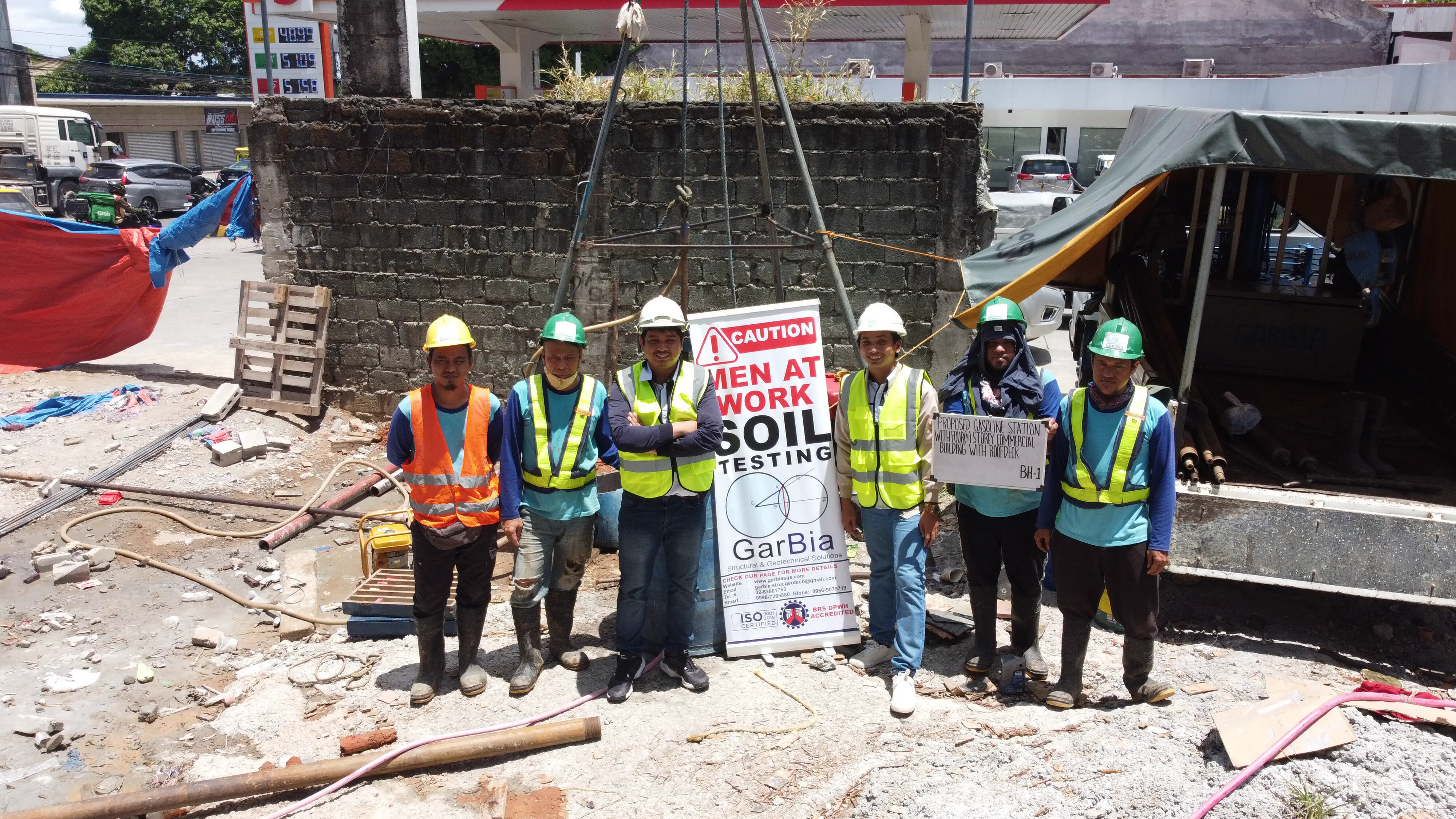
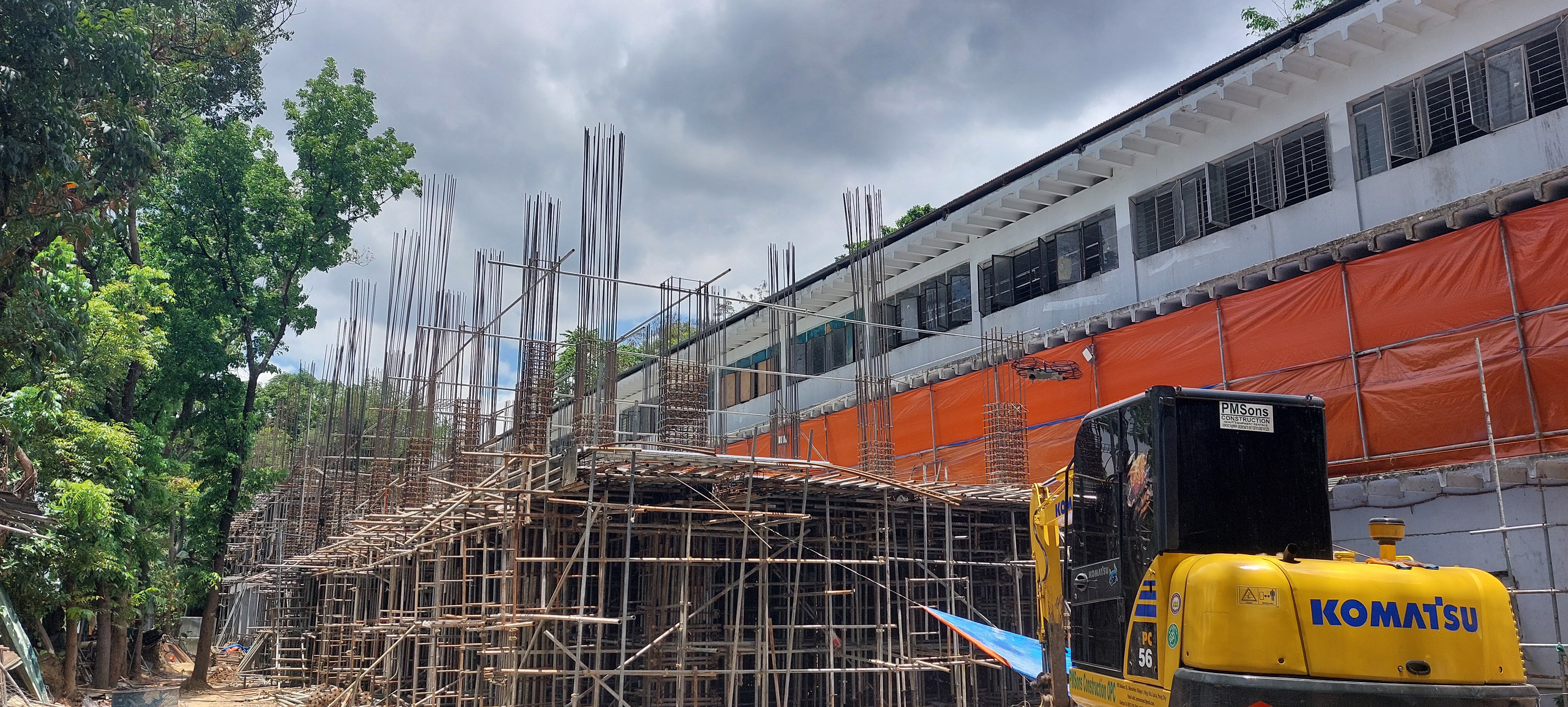
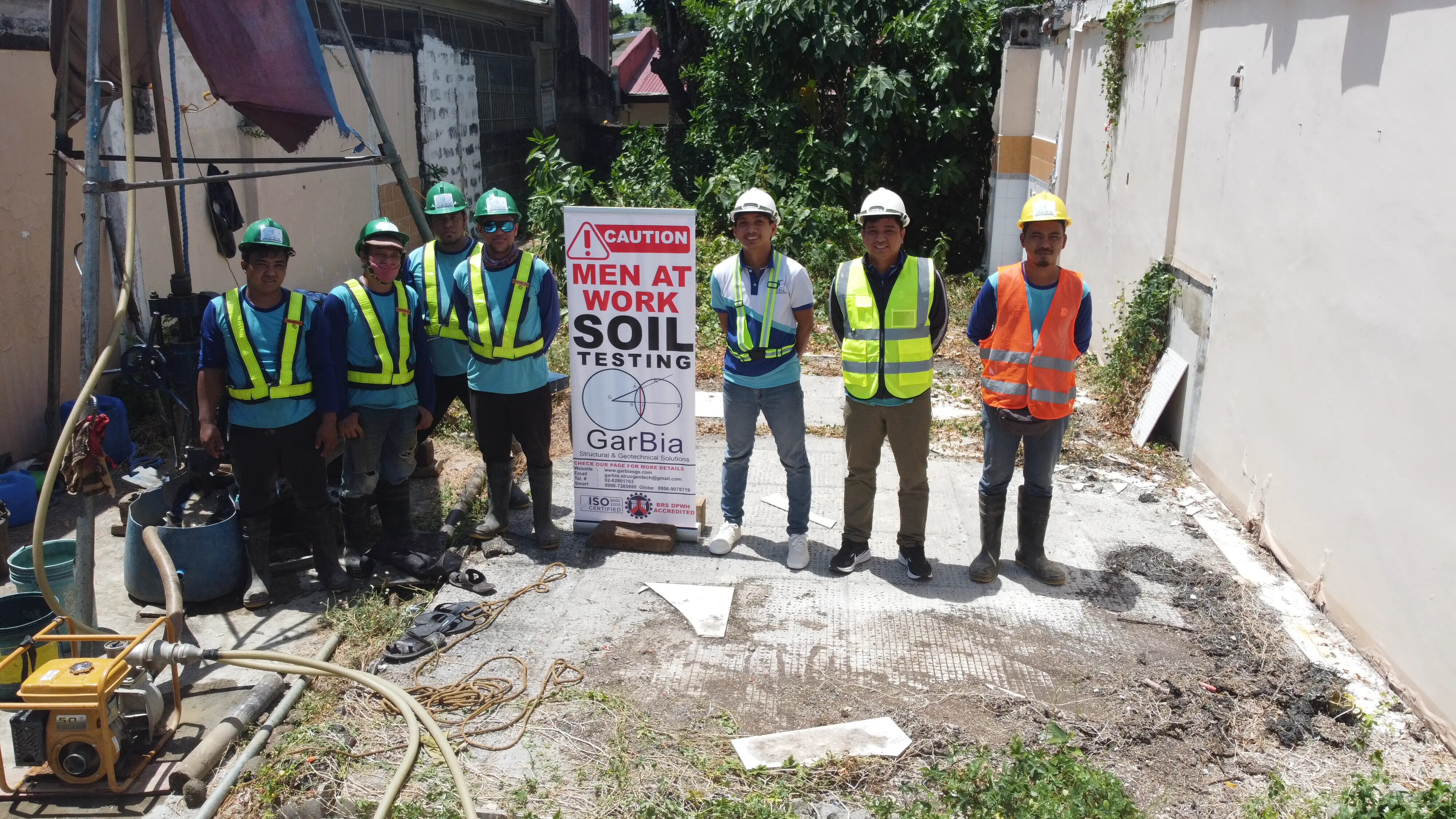
Soil investigation and foundation projects in Antipolo, Marikina, Pasig, and Taguig, with site photos from each engagement.

Garbia team at a project site illustrating the company mission

Mission

Garbia Builders and Technology Solutions, OPC is committed to delivering soil drilling, geotechnical investigation, bored piling, and construction services with a high level of quality, accuracy, and technical reliability in support of the Philippines pursuit of safe, durable, and standards-compliant infrastructure.

The company strives to operate in harmony with its employees, clients, partners, and stakeholders by promoting integrity, professionalism, safety, and sustainable development in all its operations.
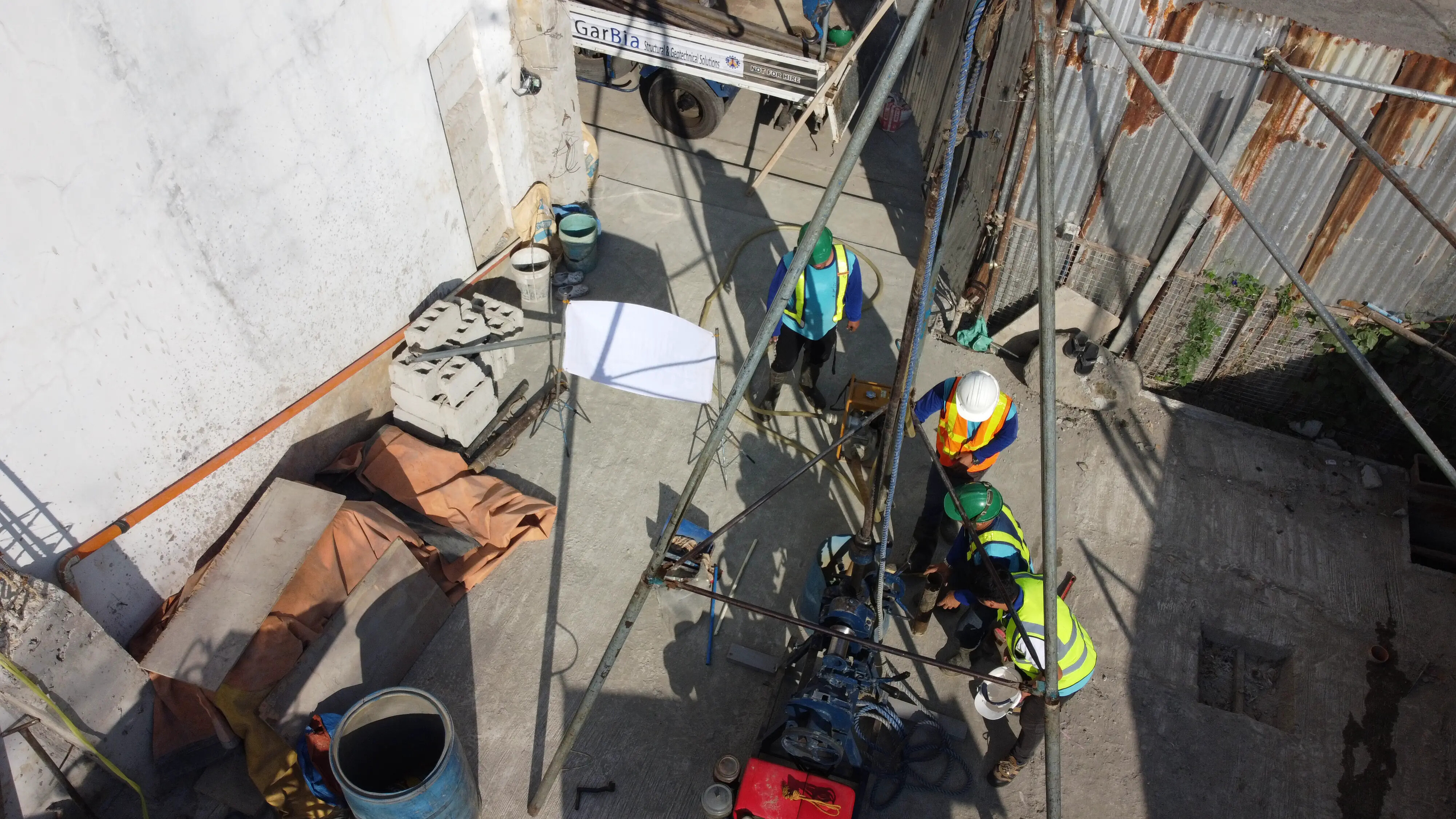
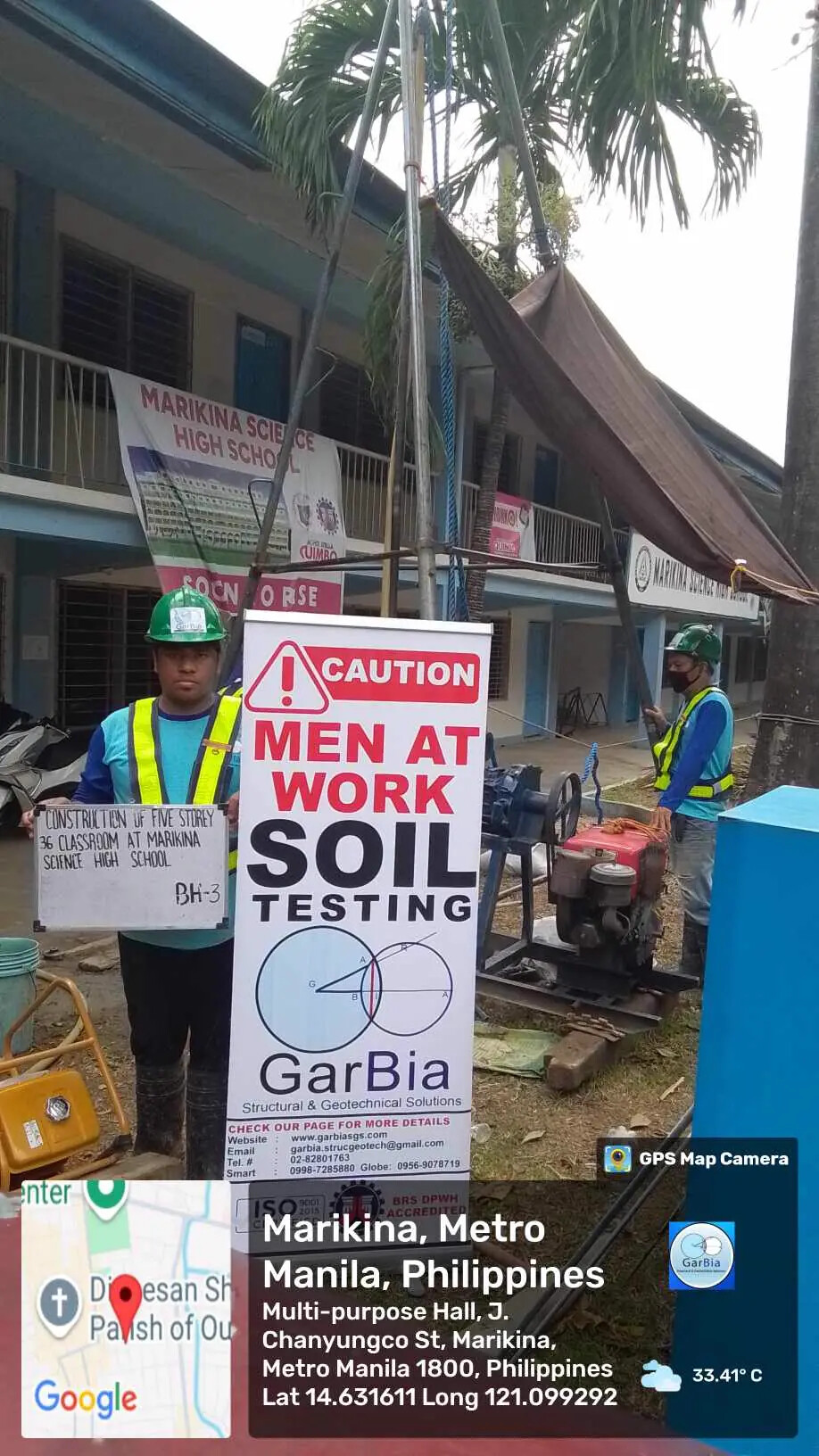
Geotechnical field work representing Garbia vision for quality infrastructure

Vision

Garbia Group aims to be one of the preferred and trusted service provider for geotechnical services with the highest quality standards and competitive rates, delivered in a timely manner in Luzon.

What guides us

Objectives

  • To provide quality service at reasonable cost.
  • To provide fulfilling, harmonious, and safe workplace.
  • To delight customers with high quality services.
  • To make a positive impact in the community.
  • To ensure compliance with applicable local and international requirements of various agencies.
  • To continually improve the quality management system of the company.
Garbia engineering and laboratory operations supporting company objectives

Giving back

We are a company with a heart

“We believe in giving back to the community. We are committed to making a difference in the lives of others.”

Community and charity work by Garbia, image 1 of 21

FAQ

Geotechnical & Construction FAQs

Common questions about soil investigation, foundation engineering, and construction services in the Philippines.

  • Garbia provides soil investigation, site investigation, laboratory testing, foundation engineering, deep foundations, micro-piling, and pile driving support for residential, commercial, and government projects across Luzon.
  • The soil carries the building, not the other way round. A soil investigation establishes bearing capacity, groundwater level, and the depth and strength of each layer below the site, so the foundation can be designed for the ground that is actually there. Skipping it means designing on assumption — which shows up later as differential settlement, cracked slabs, or a foundation that has to be redesigned mid-project at far greater cost.
  • SPT is the most common in-situ test in soil investigation, carried out to ASTM D1586. A split-spoon sampler is driven into the bottom of a borehole by a 63.5 kg hammer falling 760 mm. The number of blows needed to drive each 150 mm increment is recorded, and the blows for the second and third increments give the N-value. That N-value correlates with the soil's density and strength, and it also recovers a disturbed sample for laboratory classification.
  • It depends on the footprint, the structure type, the loads, and how variable the ground turns out to be — a small residential lot on uniform ground needs far less than a mid-rise on reclaimed or mixed fill. The number and depth are agreed after a site assessment rather than fixed in advance, because the point of the investigation is to cover the ground the structure will actually sit on. Describe your site and structure and we will advise on a scope.
  • Very much so. The Philippines sits on the Pacific Ring of Fire, and seismic design depends on knowing the soil profile: site classification, and whether loose saturated sands below the water table could liquefy under cyclic loading. Liquefaction analysis is part of a geotechnical report for exactly this reason — it tells the structural designer whether the ground will keep its strength during shaking.
  • Yes. Garbia Group serves clients throughout Luzon and the Philippines with field teams for site investigation and foundation works. Completed projects include work in Antipolo, Marikina, Pasig, and Taguig, and the office is in Cainta, Rizal.